

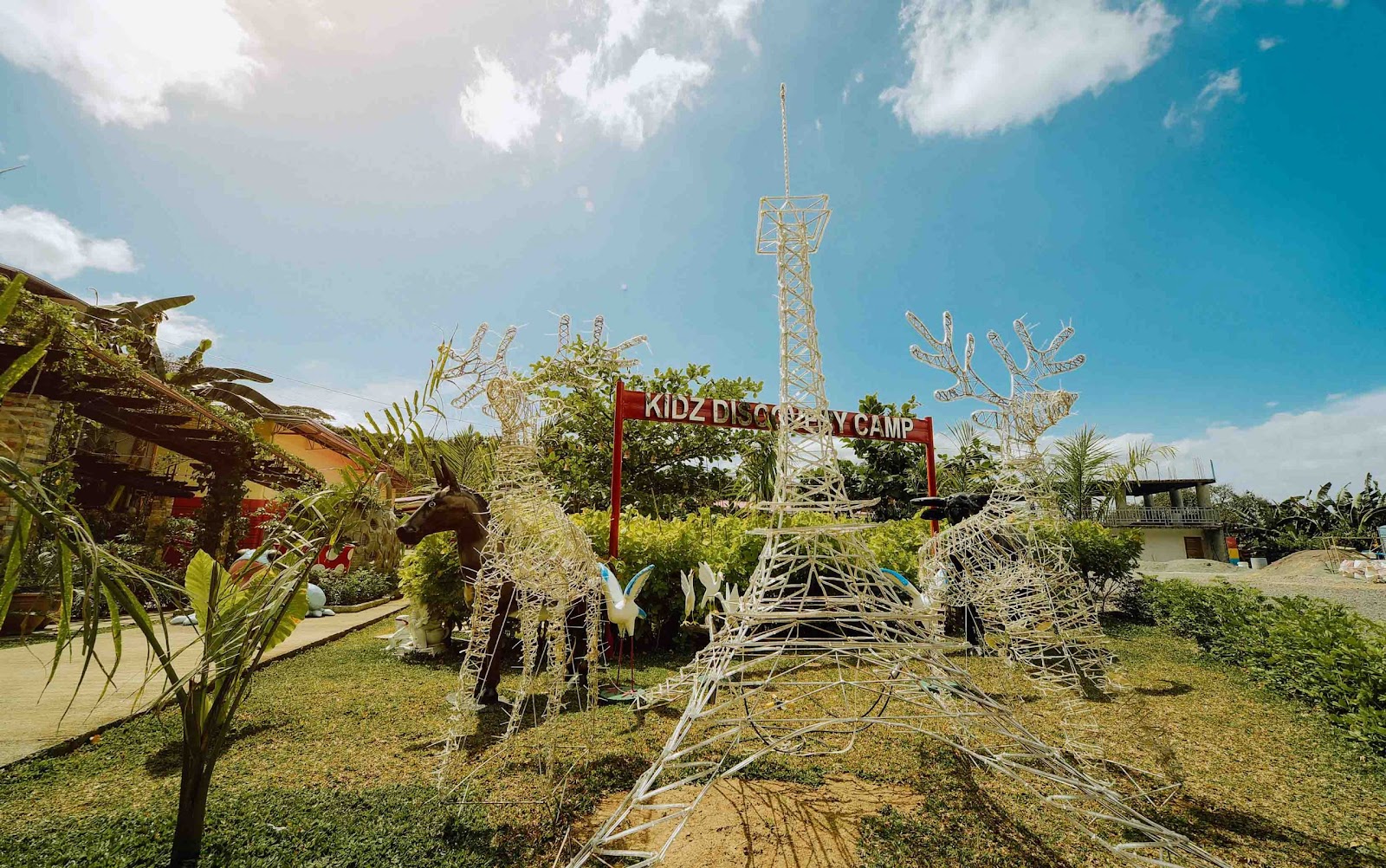
The NSTP Adventure Camp turned out to be one of those days that stuck with students. It started early in the morning with five challenges from the facilitators, though by the end it felt like more than that.
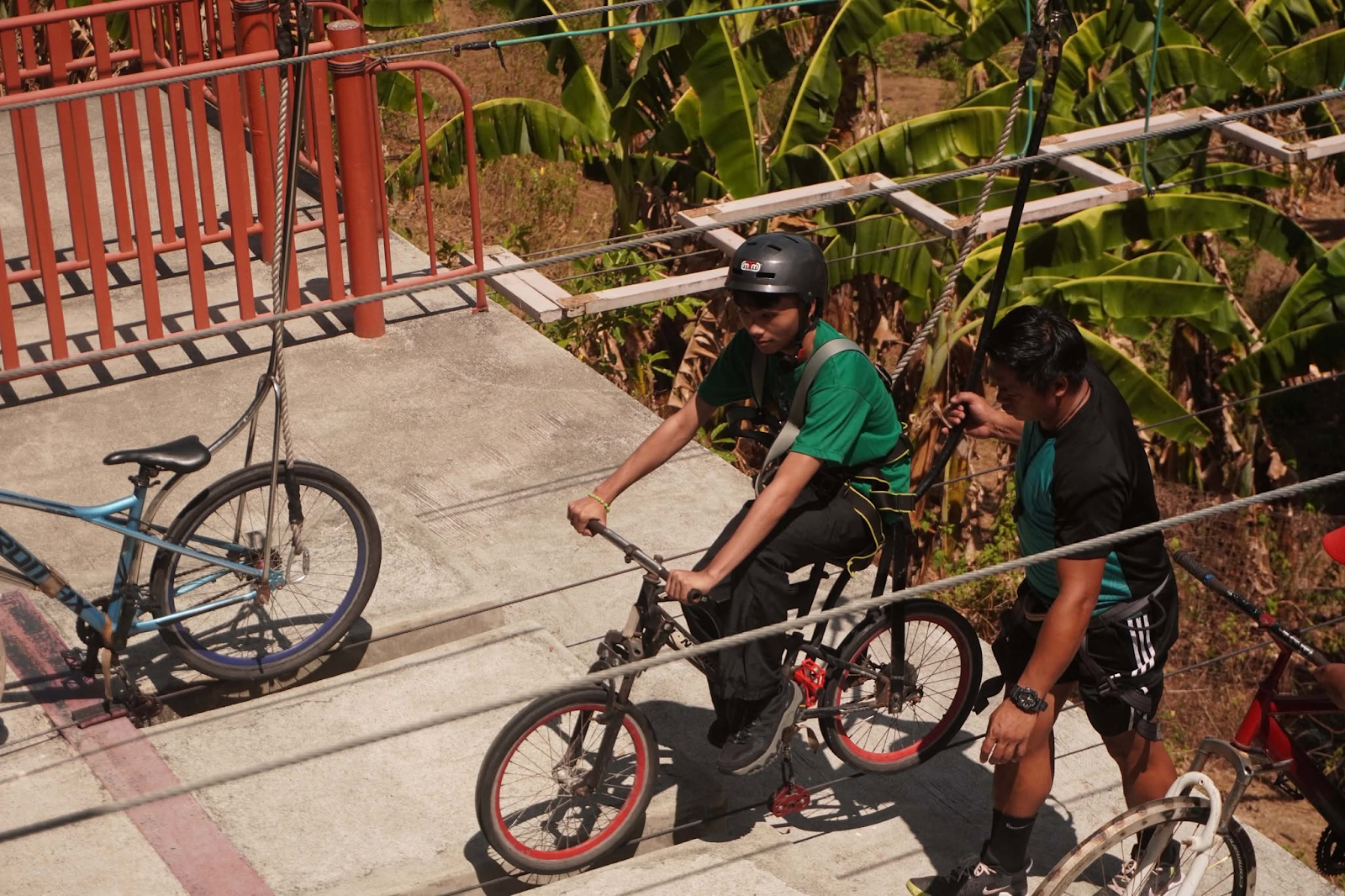
The first challenge was the zip-line bike. Students pedaled across while attached to a zip-line. The height made it intense—looking down showed what looked like a small canyon. Most enjoyed it once they got going, but some had second thoughts before starting. The drop was significant enough to make people hesitate.
The second challenge kept the same zip-line setup but replaced the bike with a bridge. This one proved more nerve-wracking. The bridge swayed with each step, and certain sections had zig-zag patterns or gaps between planks that required careful footing. It was less enjoyable than the bike because there was no pedaling to focus on—just holding a shaky bridge and watching every step.
The third activity was tent building. Groups of eight received bamboo sticks and rope with instructions to build a shelter that could fit everyone using only those materials. No nails, no other tools.
Different groups tackled it differently. Some organized quickly with clear roles. Others figured things out as they went. The real test came after construction. Each tent had to survive three kicks from the facilitator to prove it was sturdy enough. Most held up fine. The facilitator showed some flexibility too—if a tent looked ready to collapse, he'd stop and pass the group anyway.
One tent became the day's memorable moment. It collapsed from a single light kick. Just went down completely. Everyone laughed, including the builders. They still passed because the point was teamwork and coordination, not perfect engineering.
The fourth part shifted to first aid training. Facilitators taught HHHABC—Hazards, Hello, Help, Airway, Breathing, Circulation. It's a sequence for helping someone in distress. Students learned CPR technique, rescue breathing, and the recovery position for unconscious people who are still breathing.
The fifth activity covered transporting injured people. Instructors showed the proper way to lift and carry someone who's been in an accident without making injuries worse. This mattered because doing it wrong could cause additional damage to the spine or neck. Students practiced with volunteers, learning to coordinate movements with others to move someone safely.
By lunchtime, everyone was hot and tired. The weather was warm, but spirits stayed high. Someone had brought speakers and music played while people unpacked food. Individual lunches turned into shared meals as containers passed around. Students and teachers ate together. The hour gave everyone time to rest before afternoon activities.
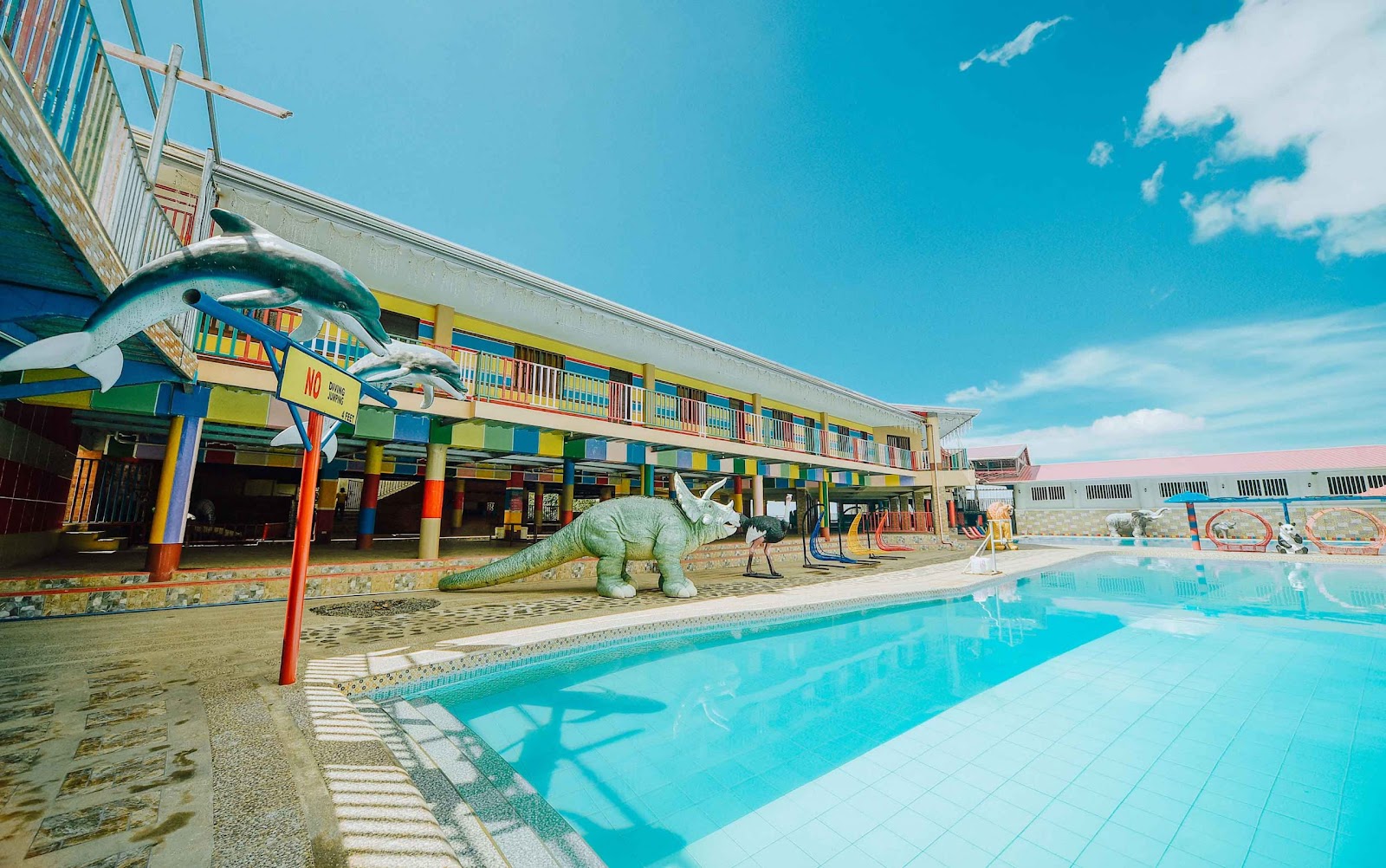
After lunch came the pool activities. The first two focused on self-rescue—the jellyfish and turtle floats for staying afloat when out of depth. Then came partner rescue practice. Students paired up, taking turns as rescuer and victim. This part got funny when some rescuers couldn't pull their heavier partners through the water properly. There was laughing, but also learning.
The third activity had ropes stretched across the pool. Students jumped in and pulled themselves to the other side using just their hands. Arms tired quickly, but people enjoyed the challenge.
The fourth activity returned to serious territory—rescuing someone who's drowning. Instructors emphasized approaching from the side or behind, never head-on, because a panicking person can pull rescuers under. Partner practice continued with role switching so everyone experienced both sides.
The last structured activity addressed emergency self-rescue during disasters. Facilitators showed how to make improvised flotation devices from regular clothing by trapping air in pants or shirts. Two different methods were tested and compared for staying afloat versus moving through water.
After the scheduled activities finished, students got free pool time. Some stayed in shallow areas to relax. Others used the deep end. A group formed a circle and swam in rhythm to the music still playing. It was a good way to end the day—just enjoying the pool without structure or instructions.
By the time students left, everyone was exhausted but satisfied. The camp delivered practical skills in first aid, water rescue, and teamwork alongside genuine fun. The ride home was quiet, with most people either dozing off or thinking about what happened. It was the kind of experience that tends to stick around after the semester ends.